

Is helium safe or dangerous?
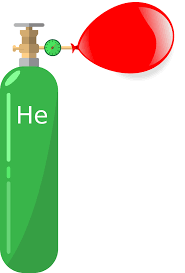
Is Helium Dangerous?
No, helium itself is not dangerous if used properly and as it is intended to be used. It is not flammable or toxic. The danger is in the helium tank itself, as it is sometimes large and heavy, and has pressurized gas which can be dangerous if misused.
Read below for more on helium safety.
Does it burn or cause fire?
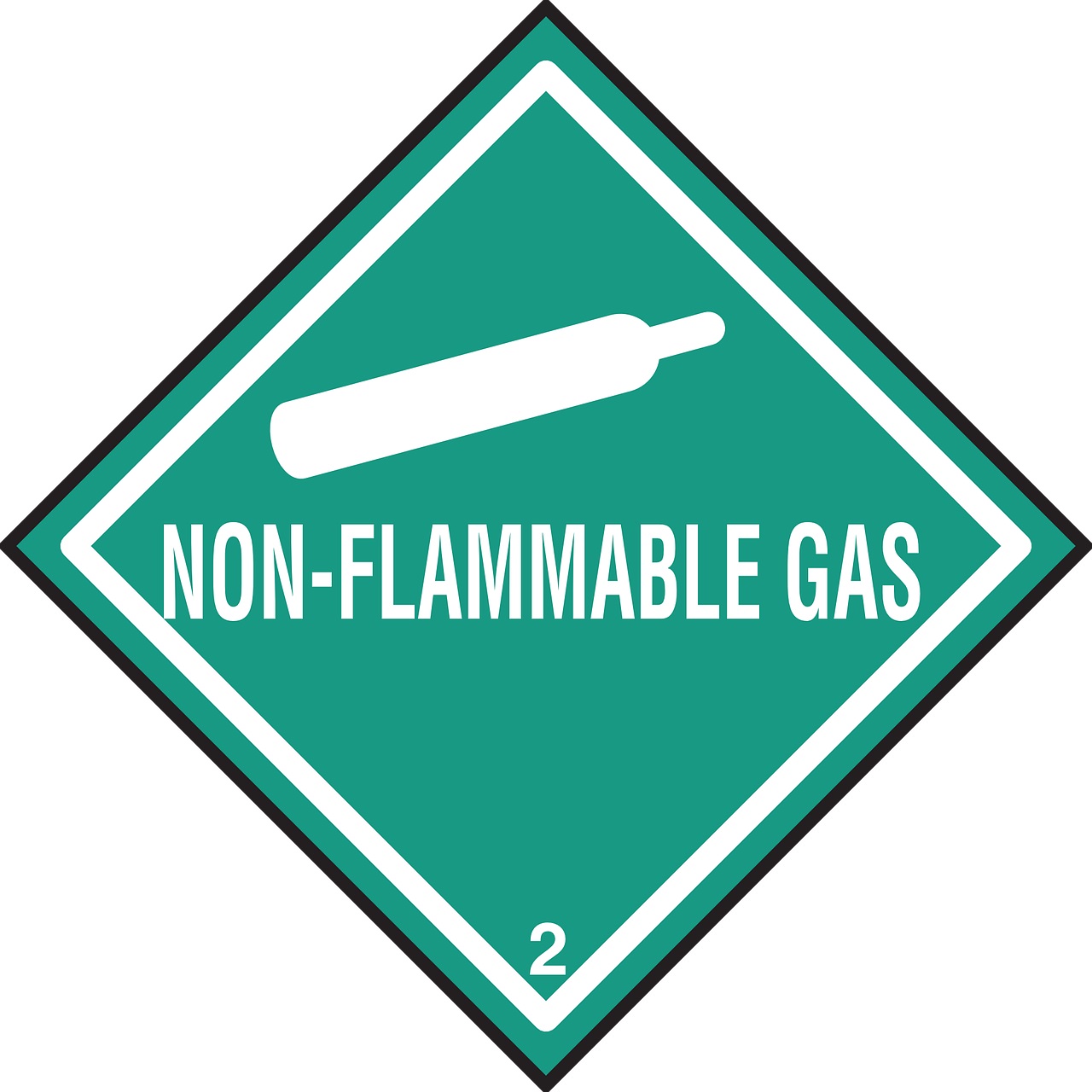
Helium is not flammable. Helium (He) is the second element on the periodic table, and is a noble gas. A noble gas means that non-reactive, and cannot react with oxygen under normal conditions to create fire.
Helium does not react in the same way other elements do such as Oxygen or Hydrogen. Oxygen and Hydrogen can form to create water (H2O) because oxygen needs an electron and hydrogen wants to give one away. Oxygen can react with wood in the presence of heat to form fire because it's highly reactive. Oxygen is what causes aging of our cells, which is why antioxidants in foods have become so popular to slow down the aging process of say, our skin.
Helium does not react.

Can I breath in helium?
As you work with balloons, you will fill the air with helium as you inflate or as balloons pop. This is completely safe to breath. Small amounts in the surrounding air is not dangerous at all.
Helium is a non-toxic gas. In fact, some hospitals mix helium in oxygen tanks. A few spurts of oxygen in the surrounding air is not harmful.
Precautions around helium & helium tanks
Inhaling pure helium (such as from your tank) is dangerous. Inhaling pure helium either from balloons or directly from a tank will displace the oxygen your body needs for the moment you are inhaling it. Never inhale pure helium from balloons and especially not from helium tanks as it may result in injury.
Pressurized helium coming out from helium tanks can severely injure your body and blow out your lungs. This is fatal.
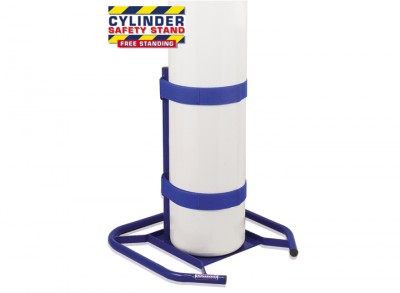
Also be careful of larger helium tank cylinders, as they are very heavy and can fall over if not installed properly. Make sure they are secured upright against a wall or on a stand so that they do not fall on you or someone around you if they are accidently bumped into. If an active helium cylinder with a valve falls over, the valve can break off, and cause the pressurized gas to force the heavy tank in one direction. This is very dangerous. Ensure those using helium tanks are properly trained on using it.
Below are some images of helium tank stands you can purchase to secure your large cylinders.